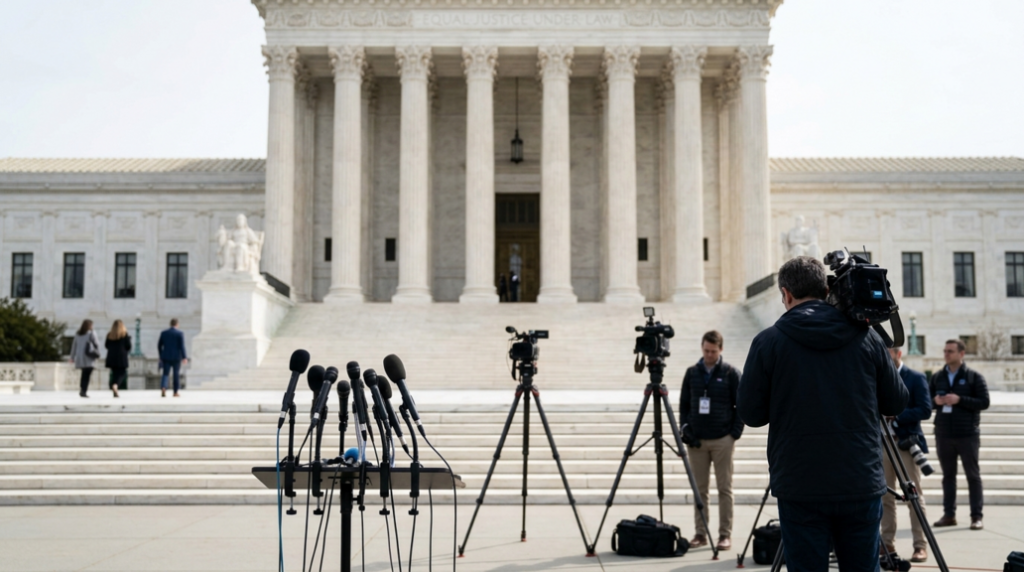
The Supreme Court’s recent decision to remove the sole opposition party from the upcoming election has sparked significant debate over the implications for political diversity and electoral fairness. This unprecedented ruling effectively bars the only organized political alternative from participating in the electoral process, raising concerns about the health of democratic competition and the balance of political power.
At the core of the legal action was a challenge to the opposition party’s eligibility to contest the election. The Supreme Court, acting as the highest judicial authority, ruled that the party failed to meet certain legal criteria required for participation. While the court’s decision is grounded in statutory interpretation and electoral law, critics argue that the ruling undermines the principles of pluralism and voter choice. The exact legal grounds cited by the court have not been fully detailed in public statements, but the outcome is clear: the opposition party is excluded from the ballot.
The legal issue at stake involves the intersection of electoral regulations and political rights. Election laws typically set standards for party registration, candidate nomination, and compliance with procedural requirements. Courts are tasked with enforcing these rules to ensure orderly elections. However, when enforcement results in the removal of the only opposition party, questions arise about whether the law is being applied in a manner that disproportionately affects political competition. Supporters of the court’s decision emphasize the need for adherence to legal standards to maintain electoral integrity, while opponents warn that such enforcement can be used to suppress dissenting voices.
This development must be understood against the backdrop of broader concerns about the use of judicial and regulatory power in electoral politics. Across various jurisdictions, courts have played pivotal roles in shaping election outcomes through rulings on redistricting, candidate eligibility, and voting rights. For instance, recent analyses of state court involvement in voting rights cases highlight tensions between legal enforcement and democratic inclusiveness. The removal of the opposition party by the Supreme Court fits into this pattern of judicial influence over political processes, raising alarms about potential overreach or selective application of election laws.
Institutionally, the exclusion of the opposition party has profound implications. It effectively consolidates power within the ruling establishment, diminishing checks and balances that a competitive political environment provides. Without a viable opposition, the electorate faces limited choices, which can erode public confidence in the democratic process. Moreover, the decision may set a precedent for future electoral contests, where legal mechanisms are employed to sideline political challengers. This scenario risks transforming elections into formalities rather than genuine contests of ideas and policies.
Politically, the ruling has triggered a spectrum of reactions. Advocates for the decision argue that it upholds the rule of law and prevents parties that do not comply with legal requirements from participating. Conversely, critics contend that the move is a strategic effort to eliminate dissent and entrench the current power structure. The absence of the opposition party in the election could lead to decreased voter turnout and increased political apathy, as citizens perceive the electoral process as predetermined. The situation also invites scrutiny from international observers concerned with democratic norms and electoral fairness.
Looking ahead, the removal of the opposition party may prompt legal and political responses. The excluded party could seek to challenge the ruling through appeals or international legal forums, arguing that their exclusion violates fundamental political rights. Additionally, civil society organizations and political activists may mobilize to demand reforms that safeguard political pluralism. The government and judiciary will face pressure to demonstrate transparency and impartiality to maintain legitimacy. Ultimately, the case underscores the delicate balance between enforcing electoral laws and preserving democratic competition.
This Supreme Court decision is a critical example of how judicial power intersects with political processes, influencing the shape and substance of elections. It highlights the need for clear, fair, and consistently applied legal standards that protect both the integrity of elections and the right of citizens to meaningful political participation. As this story develops, it will serve as a focal point for discussions about the role of courts in democracy and the safeguards necessary to prevent the exclusion of legitimate political voices.