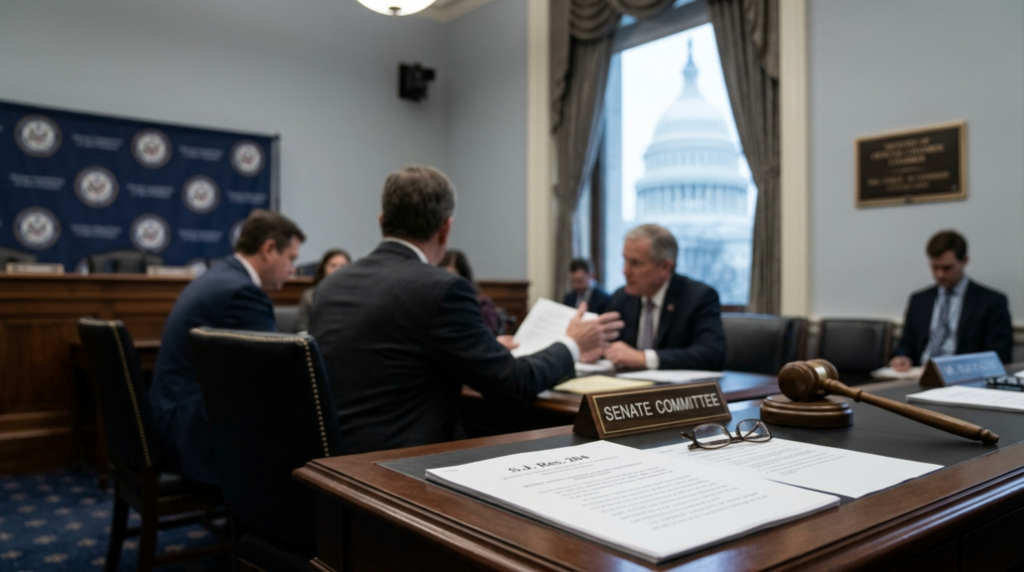
The US Congress has taken a significant step to disapprove a rule rescinding the definition of ‘harm’ under the Endangered Species Act. Senate Joint Resolution 204 (IS) aims to reject a rule submitted by the US Fish and Wildlife Service and the National Oceanic and Atmospheric Administration that alters the interpretation of ‘harm’ within the Act. This move comes amidst growing concerns about the potential impact on endangered species and their habitats. The definition of ‘harm’ plays a crucial role in determining the scope of protection afforded to endangered species, making this rule change a contentious issue.
Proponents of the rule argue that the reinterpretation of ‘harm’ would streamline regulatory processes and provide more flexibility for landowners and developers. They contend that the current definition is overly broad and hinders economic activities that could benefit local communities. On the other hand, critics fear that weakening the definition of ‘harm’ could lead to increased harm to endangered species and their habitats. They argue that the proposed rule puts wildlife at risk and undermines the purpose of the Endangered Species Act, which is to protect and recover imperiled species.
The congressional disapproval of the rule signals a potential clash between the legislative and executive branches over environmental policy. This action underscores the importance of balancing conservation efforts with economic interests and highlights the ongoing debate over the interpretation and enforcement of environmental regulations. The decision to challenge the rule reflects lawmakers’ commitment to upholding the integrity of the Endangered Species Act and ensuring the protection of vulnerable species.
Moving forward, the resolution will need to navigate the legislative process, including potential debates and votes in both the House and the Senate. If approved, the disapproval resolution could nullify the rule and prevent its implementation, reverting to the previous definition of ‘harm’ under the Endangered Species Act. This development is likely to spark further discussions on the role of government agencies in shaping environmental policy and the balance between conservation and development interests.