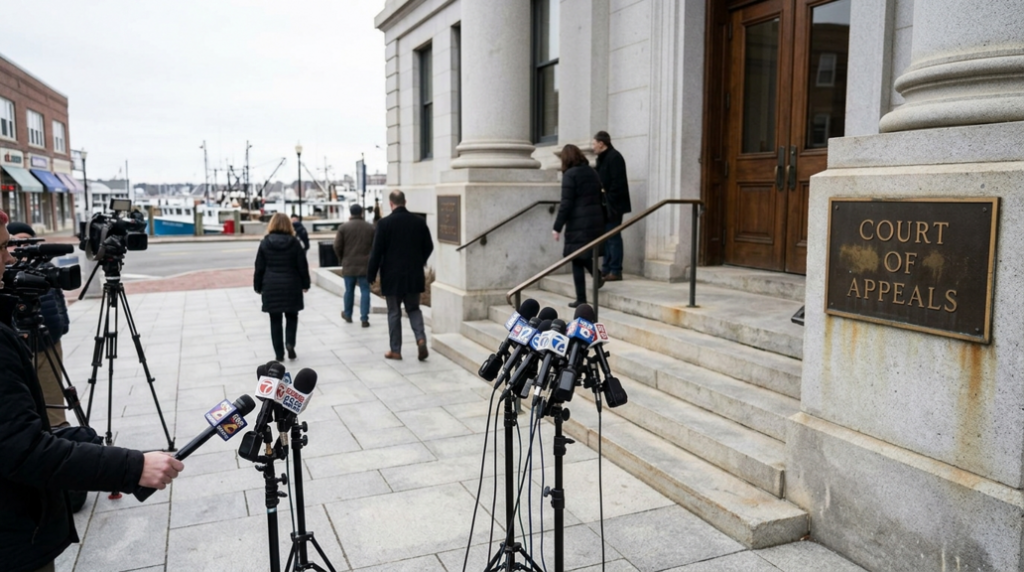
A recent ruling by the United States Court of Appeals for the First Circuit has brought renewed attention to the complex interplay between defamation law and First Amendment protections in the context of a lawsuit filed by lobstermen against a prominent marine institution. The case involves Bean Maine Lobster and other plaintiffs engaged in the catching, processing, and selling of Gulf of Maine and Georges Bank lobster, who have sued the Monterey Bay Aquarium Foundation for defamation. The appeals court’s decision to highlight the First Amendment questions raised by the suit underscores the delicate balance courts must maintain between protecting reputations and safeguarding free speech, particularly in matters of public concern.
The lawsuit stems from statements made by the Monterey Bay Aquarium Foundation that the plaintiffs allege have harmed their business reputations by implying wrongdoing or negligence related to lobster fishing practices. While the precise defamatory statements have not been detailed in the publicly available documents, the plaintiffs contend that these statements have caused economic damage and reputational harm. The defendants, however, have argued that their speech is protected under the First Amendment, as it pertains to matters of environmental and public interest, which traditionally receive heightened constitutional protection.
The First Circuit’s engagement with this case reflects the judiciary’s ongoing role in delineating the boundaries of defamation claims when they intersect with free speech rights. Defamation law aims to provide recourse for individuals or entities whose reputations are unjustly harmed by false statements, yet the First Amendment imposes significant constraints on such claims to prevent undue suppression of speech, especially on issues of public debate. The appeals court’s indication that the plaintiffs’ claims raise substantial First Amendment questions suggests that the court is carefully weighing whether the statements at issue qualify as protected opinion or factual assertions, and whether the plaintiffs can meet the burden of proving actual malice or falsity.
This legal scrutiny is particularly significant given the public interest dimension of the dispute. The lobster fishery in the Gulf of Maine and Georges Bank regions is not only an economic mainstay for local communities but also a subject of environmental and regulatory attention, including concerns about endangered species such as the right whale. The Monterey Bay Aquarium Foundation, known for its advocacy on marine conservation, has been involved in public discourse about sustainable fishing practices. As such, the statements at the heart of the defamation suit likely touch on contested scientific and policy issues, amplifying the importance of First Amendment protections for robust debate.
The plaintiffs seek to hold the aquarium accountable for what they perceive as damaging and false characterizations that could influence public opinion and regulatory actions affecting their livelihoods. Conversely, the defendants maintain that their speech contributes to public understanding and policy discussions, and that imposing liability could chill similar expressions in the future. The appeals court’s recognition of these competing interests highlights the institutional challenge of balancing reputational rights with the fundamental right to free expression.
Beyond the immediate parties, this case carries broader implications for journalism, advocacy organizations, and public debate participants. Should the court ultimately allow the defamation suit to proceed, it could signal a narrowing of free speech protections in contexts involving environmental and commercial disputes. Conversely, a ruling favoring the defendants could reinforce the principle that speech on matters of public concern, even if critical or controversial, enjoys robust constitutional safeguards. This dynamic is critical for media organizations and commentators who often navigate the fine line between investigative reporting and potential defamation claims.
Looking ahead, the appeals court’s preliminary ruling suggests that further judicial examination will be necessary to resolve the factual and legal complexities of the case. The court may need to assess the nature of the statements, the evidence of falsity or malice, and the applicability of any privileges or defenses. The outcome could set important precedents regarding how courts interpret defamation claims involving environmental advocacy and commercial interests, potentially influencing future litigation strategies and speech practices.
In sum, the First Circuit’s handling of the lobstermen’s defamation suit against the Monterey Bay Aquarium Foundation exemplifies the ongoing negotiation between protecting individual and commercial reputations and preserving the constitutional commitment to free and open public debate. As this case progresses, it will serve as a critical reference point for understanding the limits and protections of speech in contentious public policy arenas, with significant consequences for media, advocacy, and the broader public discourse.