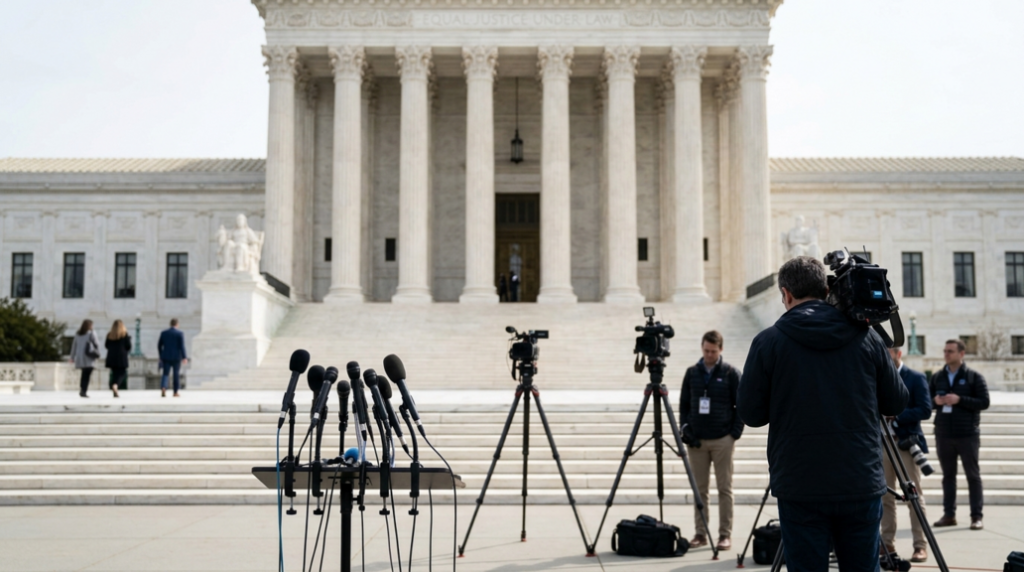

An appeals court is currently examining the First Amendment implications of a defamation lawsuit filed by fishermen involved in the lobster industry, a development that raises important questions about free speech rights in the context of environmental and commercial disputes. The case, which has drawn attention from media and legal observers, involves claims brought by Massachusetts lobster fishermen against the Monterey Bay Aquarium Foundation, a prominent environmental organization. The fishermen allege that statements made by the foundation have defamed them, impacting their livelihoods and reputation.
The United States Court of Appeals for the First Circuit is tasked with evaluating whether the fishermen’s defamation claims implicate constitutional protections for speech, particularly under the First Amendment. This judicial review follows earlier proceedings in lower courts, which dismissed the case, agreeing with the defense that the issues raised are protected speech or otherwise preempted by federal law. However, the appellate court’s decision to consider the constitutional questions signals the complexity and significance of the dispute.
At the heart of the case is a tension between the fishermen’s interest in protecting their reputations and the foundation’s right to engage in public debate about environmental concerns affecting the lobster fishery. The Monterey Bay Aquarium Foundation has been active in advocating for marine conservation measures, which some fishermen argue have been accompanied by statements that unfairly portray them as harmful to lobster populations or the marine ecosystem. The fishermen contend that such statements amount to defamation, damaging their economic interests and standing in the community.
The legal issue before the court involves balancing defamation law, which protects individuals and businesses from false and damaging statements, against the robust free speech protections afforded to public discourse on matters of public concern. Under U.S. law, speech related to public issues, especially involving environmental advocacy and commercial practices, is given heightened protection to encourage open debate. The court must determine whether the statements at issue are protected opinions or factual assertions that could be proven false and thus subject to defamation liability.
This case is particularly significant because it touches on the boundaries of media and advocacy speech in environmental controversies. The outcome could influence how environmental organizations communicate about industries they seek to regulate or reform, and how affected parties can respond legally. If the court sides with the fishermen, it could signal a narrowing of free speech protections in this context, potentially leading to increased defamation claims against advocacy groups and media outlets. Conversely, a ruling favoring the foundation would reinforce the principle that speech on public environmental issues is broadly protected, even when it is critical or damaging to commercial interests.
The appellate court’s review also reflects broader institutional questions about the role of the judiciary in mediating disputes that involve both factual claims and public debate. Defamation suits can have a chilling effect on speech, especially when brought by powerful economic interests against critics. Courts must carefully navigate these cases to avoid suppressing legitimate expression while providing recourse for genuinely harmful falsehoods. The First Circuit’s handling of this case will contribute to the evolving jurisprudence on how defamation law intersects with constitutional free speech rights.
Looking ahead, the court’s decision may set important precedents for journalists, publishers, and advocacy organizations engaged in environmental reporting and commentary. It may clarify the standards for what constitutes defamatory speech in the context of public debates over natural resource management and commercial practices. Additionally, the ruling could affect access to information and participation in public debate by delineating the legal risks associated with critical speech about industry stakeholders.
The case also underscores the challenges faced by media and public discourse in an era where environmental and economic interests frequently collide. As environmental organizations increasingly use media platforms to influence public opinion and policy, the legal boundaries of such speech remain a contested and evolving area. This lawsuit, by bringing these issues before a federal appeals court, highlights the ongoing negotiation between protecting reputations and safeguarding free expression in democratic society.
In sum, the appeals court’s consideration of the fishermen’s defamation claim against the Monterey Bay Aquarium Foundation is a pivotal moment for media and public debate law. It raises fundamental questions about the extent to which speech related to environmental advocacy is protected under the First Amendment and the circumstances under which defamation claims may proceed. The outcome will have practical implications for how journalists, advocacy groups, and commercial interests engage in public discourse, potentially shaping the legal landscape for similar disputes in the future.