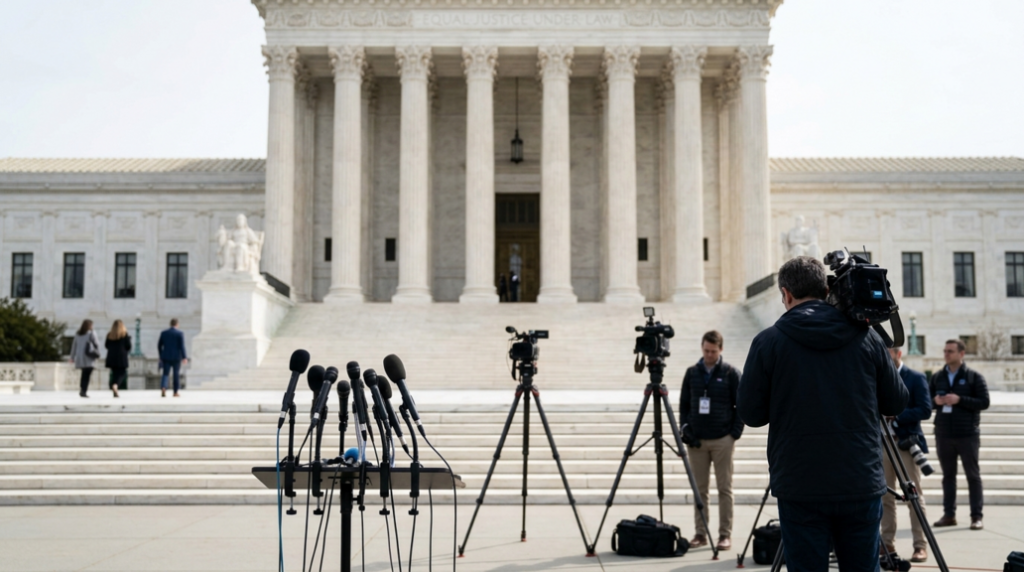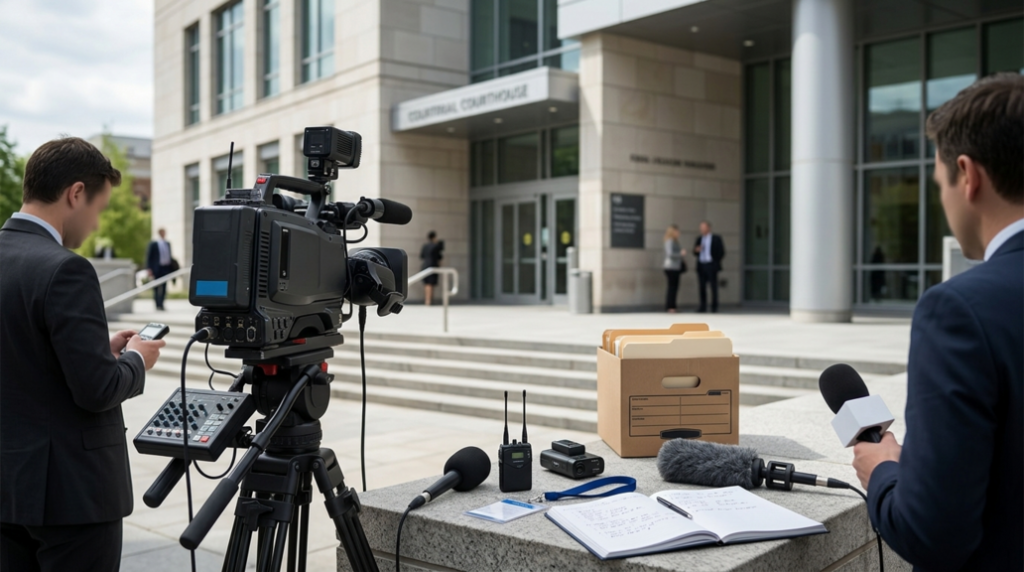
An appeals court has issued a temporary halt to the Environmental Protection Agency (EPA) Chief’s attempt to reclaim approximately $20 billion in clean energy grants, a move that has significant implications for the renewable energy sector and federal climate funding programs. This judicial intervention pauses the EPA’s efforts to claw back funds previously awarded under climate and environmental justice initiatives, underscoring ongoing legal disputes over the agency’s authority and the administration’s approach to climate policy enforcement.
The dispute centers on the EPA’s decision to seek the recovery of billions of dollars in grants allocated to various clean energy projects. These grants were part of broader federal efforts to support climate mitigation and environmental justice programs. However, the EPA Chief’s recent action to retract these funds has been met with legal challenges from grant recipients, who argue that the clawback lacks sufficient evidentiary basis and disrupts ongoing projects critical to the nation’s clean energy transition.
The appeals court’s ruling to pause the clawback followed a lower court’s preliminary injunction that had ordered the EPA and its financial partner, Citibank, to continue disbursing funds to the grantees. The appellate decision effectively maintains the status quo, allowing the recipients to proceed with their projects while the legal questions surrounding the EPA’s authority to reclaim these funds are resolved. This judicial check highlights the complex interplay between administrative agency actions and judicial oversight in the realm of federal environmental funding.
At the heart of the legal conflict is the question of whether the EPA possesses the statutory and regulatory authority to unilaterally rescind grants after they have been awarded, particularly when the agency alleges potential misuse or noncompliance without presenting concrete evidence. Attorneys representing the grant recipients have characterized the EPA’s clawback attempt as an “evidence-free tactic,” suggesting it may be an administrative maneuver to circumvent judicial rulings that have previously limited the agency’s ability to alter or withdraw funding.
The EPA’s position, while not fully detailed in public documents, appears to rest on concerns about compliance and the proper use of federal funds. The agency’s efforts to reclaim the $20 billion indicate a strategic use of regulatory power to enforce accountability in climate and environmental justice programs. However, the appeals court’s intervention signals judicial skepticism regarding the EPA’s approach, emphasizing the need for clear legal standards and procedural fairness before such significant financial reversals can be implemented.
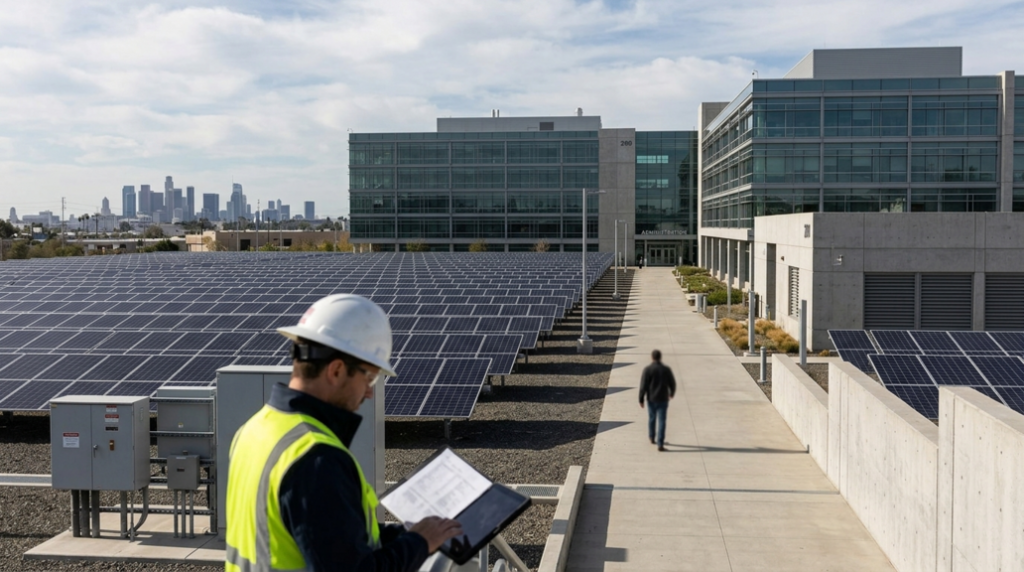
This legal development carries substantial practical consequences for the renewable energy industry and the broader climate policy landscape. The $20 billion in grants represent a critical infusion of capital for clean energy projects, many of which are designed to reduce greenhouse gas emissions and promote environmental equity. A successful clawback could have disrupted these initiatives, potentially delaying project timelines, increasing financial uncertainty for developers, and undermining investor confidence in federally supported climate programs.
Moreover, the court’s decision to pause the clawback reinforces the principle that federal agencies must operate within defined legal boundaries when managing grant programs. It underscores the judiciary’s role in balancing executive agency discretion with the rights and expectations of grant recipients. This case may set a precedent affecting how future environmental and climate-related grants are administered, particularly regarding the conditions under which funds can be rescinded and the evidentiary standards required to justify such actions.
The broader context includes a series of legal challenges and regulatory shifts related to federal climate funding and environmental justice initiatives. Previous court rulings have at times curtailed aggressive rollbacks of environmental programs, reflecting ongoing tensions between different administrations’ policy priorities and the judiciary’s interpretation of statutory mandates. The current appeals court ruling fits within this evolving legal landscape, illustrating how courts continue to shape the implementation and enforcement of climate policy through their oversight of agency actions.
Looking ahead, the case is likely to proceed through further judicial review, with the potential for a definitive ruling on the EPA’s authority to claw back grant funds. The outcome will be closely watched by stakeholders across the energy sector, environmental advocacy groups, and policymakers. It may influence not only the immediate fate of the $20 billion in grants but also the future design and administration of federal climate funding programs.
In summary, the appeals court’s temporary halt on the EPA Chief’s attempt to reclaim $20 billion in clean energy grants represents a significant legal check on agency power, with important implications for the renewable energy industry and federal climate initiatives. The ruling highlights the necessity for clear legal frameworks governing federal grant programs and reinforces the judiciary’s role in ensuring that regulatory actions affecting substantial financial and operational interests are grounded in evidence and lawful authority. As the dispute unfolds, it will contribute to shaping the regulatory environment for climate funding and the broader governance of environmental justice efforts in the United States.