A federal judge has issued a significant ruling blocking President Donald Trump’s executive order aimed at restricting mail-in voting for the upcoming 2026 midterm elections. On June 25, 2026, Judge Indira Talwani ruled against the administration’s attempt to impose new limitations on mail voting, effectively halting the implementation of the order and preventing the U.S. Postal Service and other federal agencies from enforcing the new restrictions. This judicial intervention marks a critical moment in the ongoing nationwide legal battles over election procedures and voting rights.
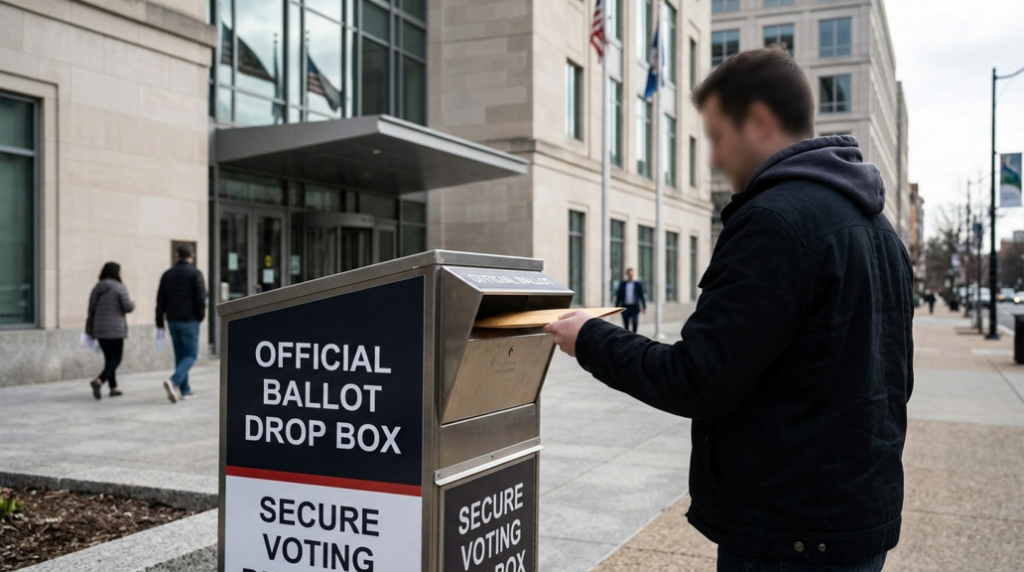
The executive order, issued by President Trump in early 2026, sought to overhaul mail voting regulations by creating a federal voter list and imposing stricter controls on how mail ballots could be distributed and processed. The administration argued that these measures were necessary to safeguard election integrity and prevent potential fraud. However, critics contended that the order would disrupt established voting practices, disproportionately affect voters who rely on mail ballots, and sow confusion ahead of the midterms.
Judge Talwani’s ruling centers on the legal authority of the executive branch to unilaterally alter election procedures that have traditionally been governed by state law. The judge found that the order likely exceeded the president’s statutory powers and that its enforcement could cause irreparable harm to voters and election officials. By blocking the order, the court underscored the principle that changes to voting rules must comply with existing legal frameworks and respect the roles of state governments in administering elections.
The legal challenge to the executive order was brought by a coalition of voting rights organizations and state officials who argued that the restrictions would undermine access to the ballot box. They highlighted that mail voting has become an essential method for millions of Americans, especially in light of the COVID-19 pandemic’s impact on voting habits. Opponents of the order warned that limiting mail voting could disenfranchise voters, particularly seniors, people with disabilities, and those living in rural areas.
Supporters of the president’s order maintain that the measures are designed to enhance election security and public confidence. They argue that mail voting, while convenient, carries risks of fraud and administrative errors that can affect election outcomes. The administration’s position reflects a broader political debate over the balance between expanding voter access and ensuring the integrity of the electoral process.
This judicial decision has significant institutional and political implications. It reaffirms the judiciary’s role as a check on executive actions that may overreach legal boundaries, especially in the sensitive arena of election administration. The ruling also signals to the Trump administration and future presidents that attempts to reshape voting procedures must withstand rigorous legal scrutiny and cannot be imposed unilaterally without regard to state authority and voter rights.
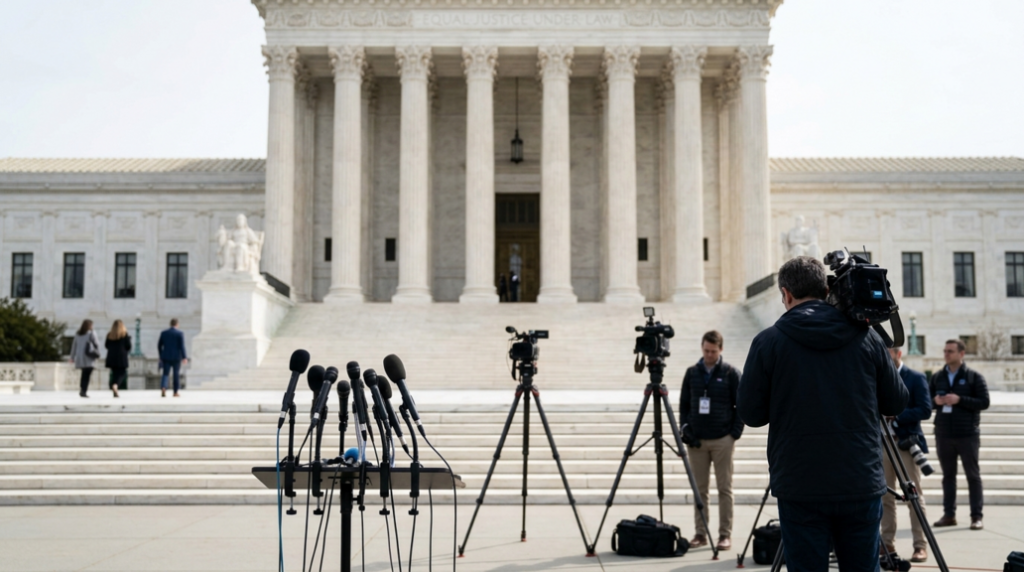
Looking ahead, the ruling does not necessarily end the dispute over mail voting restrictions. The Trump administration has indicated plans to appeal the decision, including seeking intervention from the Supreme Court. Meanwhile, election officials and advocacy groups continue to prepare for the 2026 midterms under the current mail voting frameworks. The case highlights the ongoing tensions between federal and state powers in election governance and the contentious nature of voting rights debates in American politics.
In summary, Judge Indira Talwani’s injunction against President Trump’s executive order restricting mail voting represents a pivotal moment in the legal and political contest over election rules. By halting the order, the court has preserved existing mail voting practices for the 2026 midterms and reinforced the principle that changes to voting procedures must adhere to established legal standards. The outcome of any further appeals will be closely watched as a barometer of the evolving relationship between executive authority, judicial oversight, and voter access in the United States.