
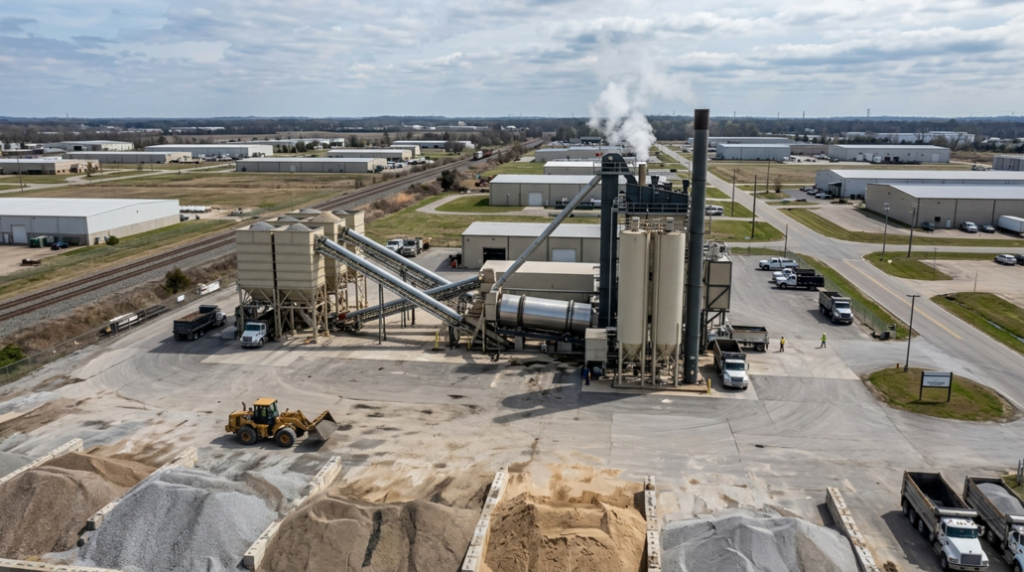
The Justice Department’s Antitrust Division, in collaboration with the Tennessee Attorney General, has mandated that CRH and its subsidiary APAC-Tennessee must divest two hot-mix asphalt plants to address antitrust concerns in western Tennessee. This decision comes in response to CRH’s acquisition of Standard Construction, which raised worries about potential anti-competitive effects in the region. By requiring the divestitures, the regulators aim to preserve competition and prevent any monopolistic behavior in the asphalt market. This move highlights the government’s commitment to enforcing antitrust laws and ensuring a level playing field for businesses in the industry.
The divestitures are a crucial step in maintaining competition in western Tennessee’s asphalt sector. By forcing CRH and APAC-Tennessee to sell off the two plants, the regulators are taking proactive measures to prevent any potential harm to market competition that could arise from the acquisition. This action underscores the importance of regulatory oversight in safeguarding fair competition and protecting consumers from price manipulation or reduced choices in the marketplace.
CRH and APAC-Tennessee are now facing the challenge of complying with the divestiture requirements set forth by the Justice Department and the Tennessee Attorney General. The companies will need to navigate the divestiture process while ensuring minimal disruption to their operations and strategic plans. This development could have significant operational and financial implications for CRH and APAC-Tennessee, as they adjust to the mandated changes in their business structure.
The regulators’ decision to demand divestitures reflects their commitment to upholding antitrust laws and promoting healthy competition in the marketplace. By taking proactive measures to address potential anti-competitive effects of mergers and acquisitions, the government aims to protect the interests of consumers and businesses alike. This enforcement action serves as a reminder to companies engaging in acquisitions to carefully consider the antitrust implications and comply with regulatory requirements to avoid facing similar divestiture mandates in the future.
Looking ahead, CRH and APAC-Tennessee will need to expeditiously proceed with the divestiture process to fulfill the regulatory mandates. The companies must ensure a smooth transition of the sold assets to new owners while continuing to uphold their business operations. As the asphalt market in western Tennessee undergoes changes due to the divestitures, stakeholders will be closely monitoring the impact on competition, pricing, and market dynamics in the region.