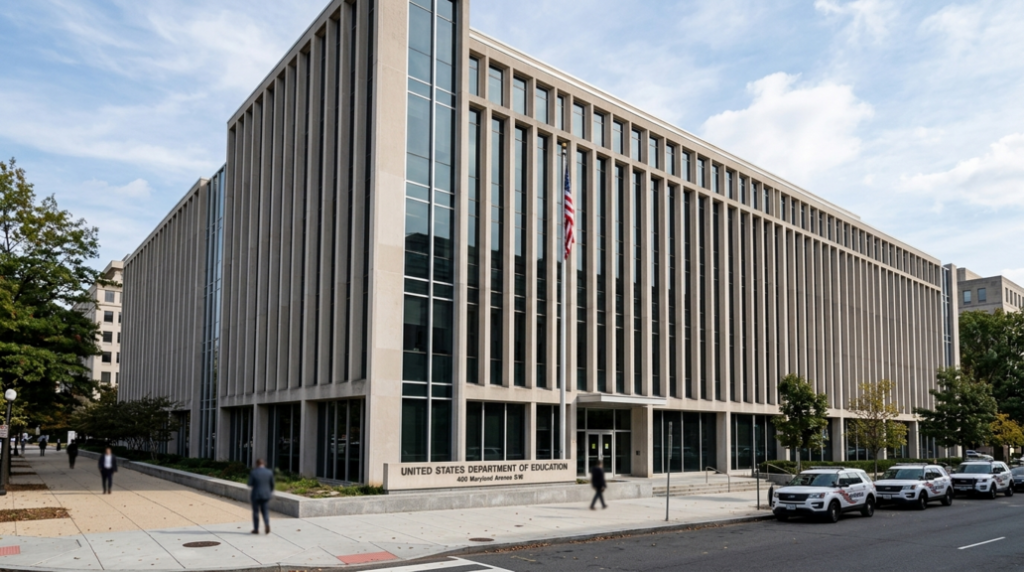
In a recent development on Capitol Hill, a new bill, S. 5046 (RS), has been introduced with the aim of preventing the transfer of certain offices and functions of the Department of Education to other federal agencies. The proposed legislation seeks to specifically prohibit the movement of specified Department of Education offices and duties to different government entities. This move comes amidst growing concerns about potential changes in federal oversight of education, particularly in areas such as special education and K-12 programs. The bill marks a significant attempt to block any potential restructuring of the Department of Education, signaling a bipartisan effort to maintain the current allocation of responsibilities within the department.
The introduction of S. 5046 (RS) has garnered attention from various stakeholders in the education sector, with advocates and policymakers closely following its progress. The bill’s provisions are aimed at ensuring the continuity and effectiveness of key functions within the Department of Education, including special education services and K-12 programs. By prohibiting the transfer of these specific offices and duties to other federal agencies, the legislation seeks to uphold the department’s existing mandate and operational structure.
The proposed bill has received support from lawmakers who are concerned about potential changes in federal oversight and the impact it could have on education policy. Senator Tim Kaine played a key role in negotiating the bipartisan legislation, highlighting the importance of safeguarding the Department of Education’s core functions. The bill’s provisions reflect a broader effort to prevent any significant shifts in the department’s organizational framework, particularly in light of ongoing debates about federal education policy and funding.
The significance of S. 5046 (RS) lies in its potential to preserve the integrity and continuity of critical education functions within the Department of Education. By prohibiting the transfer of specified offices and duties to other federal agencies, the bill aims to maintain the department’s current structure and operational focus. This development underscores the ongoing debate surrounding federal oversight of education and the need to protect key functions from potential reorganization or relocation.
Looking ahead, the fate of S. 5046 (RS) will likely depend on further deliberations and potential amendments in Congress. As the bill progresses through the legislative process, stakeholders will continue to monitor its impact on education policy and federal oversight. The outcome of this legislative effort could have far-reaching implications for the Department of Education and the future direction of federal education policy.